Summer in Northern Greece is a different kind of heat than what most people imagine when they think of Greece. There are no whitewashed walls or blue-domed churches. Instead, you find yourself in a landscape that is lush, expansive, and quietly dramatic, with mountains rising sharply from wide agricultural plains, vine-covered hillsides, and rivers that cut through ancient terrain. This is continental Greece and everywhere you look history is present.
Greece’s great northern capital serves as the beating heart of the entire region. In the summer, the city stays wide awake, humming into the early morning hours. The waterfront promenade fills with people eating grilled corn, sipping cold tsipouro, and arguing about football and politics. The central market, Kapani, overflows with a cornucopia of seasonal produce, from the sweetest summer tomatoes, to a rainbow of different pepper varieties, including the famed fleshy red Florina kind, and all the fruits that grow up north, among them, famed peaches and, of course, grapes.
Life is outside in the simmer, from open-air tavernas to open-air cinemas. The quai that defines the city buzzes with people.
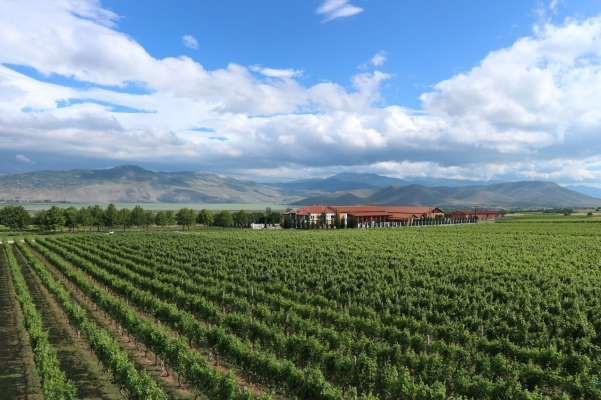
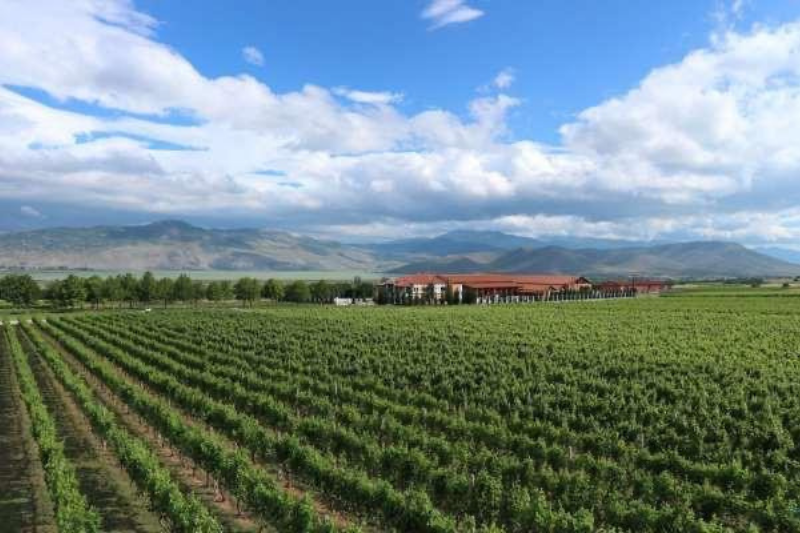
Starting from the country’s co-capital, a two-hour drive west brings you to the town of Amyndeon. The town and the surrounding PDO Amyndeon wine region carry the name of King Amyntas III, father of Philip II and grandfather of Alexander the Great. The name is not incidental. It is a reminder that this corner of northern Greece has been cultivated and inhabited and revered for thousands of years. The landscape, elevated plateaus with scattered lakes, surrounded by high mountains, is beginning the presentation of the depth of this region to the visitor. To pour a glass of wine from this appellation is, in some small way, to drink in the history of a place that shaped the ancient world.
The nearby village of Petres is where archaeologists uncovered traces of winemaking, in a settlement that was inhabited without interruption from the 4th to the 1st century BC. Alpha Estate, one of the most iconic properties in the region, tends vines that grow in soils that have been growing grapes since antiquity, and that continuity is part of what makes the wines feel rooted rather than merely produced.
In summer, wine tourism here is still unhurried and genuine. Alpha Estate organizes winery tours and tastings. Local restaurants highlight the region’s gastronomy, and showcase the connection between what grows in this land and what is poured from its bottles. The estate’s vineyards are named for the wildlife that shares this ecosystem with the vines. Visiting in summer, you might, actually, encounter the turtles and hedgehogs whose names appear on some of Alpha Estate’s most celebrated PDO Amyndeon (ΠΟΠ Αμύνταιο) and PGI Florina (ΠΓΕ Φλώρινα) labels. It is that kind of place, where the whimsical and the serious coexist with ease.
To celebrate the season, I am offering a summer menu paired with three Alpha Estate wines that capture everything I love about drinking in northern Greece when the days are long and the table stays set until well after dark.
Alpha Estate Malagouzia Single Vineyard “Turtles” (PGI Florina – ΠΓΕ Φλώρινα)
Malagouzia is one of those grapes that reward patience. For decades it was nearly forgotten, surviving in scattered plots before a generation of thoughtful winemakers brought it back to prominence. Alpha Estate’s single vineyard “Turtles” bottling is one of the most compelling expressions of the variety anywhere in Greece. The cool climate of Amyndeon at high elevation keeps the
wine’s natural aromatics in check, so what you get is not a blowsy tropical white but something much more interesting: citrus blossom, white peach, fresh herbs, a lifted minerality, and a long, clean finish driven by genuine acidity.
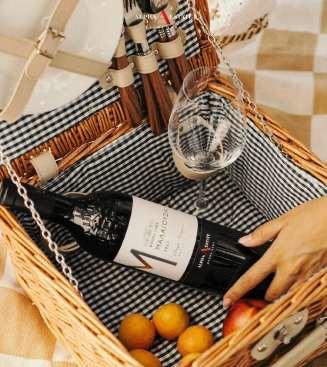
This is a white wine built for summer food. It has the perfume to stand up to aromatic dishes and the structure to cut through olive oil and the richness of grilled fish.
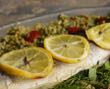
Pair it with Grilled Whole Fish and Summer Vegetables. A whole fish grilled over charcoal with seasonal vegetables and dressed simply with olive oil and herbs is one of the great meals of the Greek summer. The combination is elemental and exactly right: the smoke from the grill, the sweetness of summer zucchini and peppers, the brightness of the dressing. Malagouzia’s citrus lift and herbal notes mirror every element on the plate, while the wine’s mineral backbone holds steady against the richness of the olive oil. This is the kind of pairing that feels obvious only after you taste it.
Alpha Estate Rosé Xinomavro “Hedgehog” Single Vineyard (PDO Amyndeon – ΠΟΠ Αμύνταιο)
Xinomavro rosé from Amyndeon is unlike most rosé you will encounter. The grape’s name translates literally to “acid black,” and even in its pink expression it carries that signature acidity alongside flavors of dried rose petal, wild strawberry, and a savory edge that reminds me of sun-warmed tomato vine.
The sandy soils of the Hedgehog vineyard give the wine a finesse and length that make it more serious than it first appears.
Amyndeon holds a special distinction as the only PDO appellation in Greece that permits Xinomavro rosé production, and the Hedgehog bottling shows exactly why that matters. This is a rosé you can drink all the way through a long summer meal without ever wanting to switch to something else.
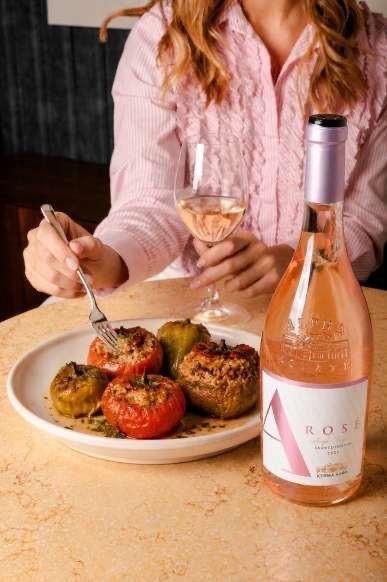
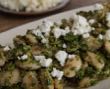
Pair it with Stuffed Tomatoes and Peppers (Gemista). Gemista is the quintessential Greek summer dish, and in Northern Greece they make it with a generosity that borders on extravagance. The tomatoes and peppers are filled with rice cooked down with olive oil, fresh mint, parsley, pine nuts, and grated onion, then roasted until the vegetables caramelize at the edges and the rice is sweet and sticky inside. The rosé’s dry acidity cuts through the olive oil richness, while its red fruit notes sing alongside the sweetness of the roasted peppers. It is a pairing that tastes like August.
Alpha Estate Xinomavro “Old Vines” (PDO Amyndeon – ΠΟΠ Αμύνταιο)
Old vine Xinomavro from Amyndeon is the red wine that makes people rethink what Greek wine can be. The ancient vines, some of them well over one hundred years old and producing tiny concentrated clusters, give a wine of remarkable depth and finesse. Expect dried cherry, pomegranate, earth, a wisp of dried herbs, and firm but elegant tannins that are structured without being austere. It ages beautifully, but it is also compelling right now, particularly if you give it room to breathe.
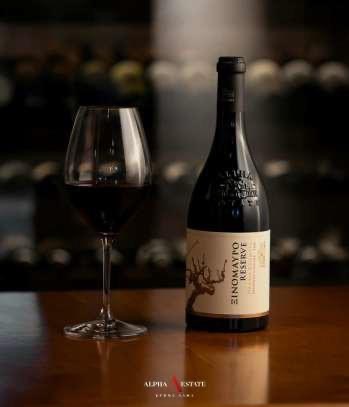
This is a red wine for summer only if you approach it the way northern Greeks do: slightly cooler than room temperature, with food that has real character.
Pair it with Pan-Fried Pork with Leek (Prasotigania). This dish is a classic of northern Greek taverna cooking and it is exactly the kind of food that Xinomavro was born to accompany. Pork is seared over high heat and then braised with finely sliced leeks, a hit of boukovo, cumin, and a splash of wine, until the meat is tender and the leeks have melted into something almost silky. The dish is bold, savory, and a little spicy, and the Old Vines Xinomavro rises to meet every note of it. The wine’s acidity cuts through the pork’s richness, its dried fruit and earthy depth mirror the braised leeks and spice, and the whole thing tastes unmistakably of this corner of Greece.
Northern Greece asks something of its visitors that the islands do not. It asks you to slow down, to look more closely, to sit at the table long enough for the evening air to cool and the conversation to deepen. The wines of Alpha Estate are made in that same spirit: precise, thoughtful, and rooted in a place that rewards attention.
In summer, when the days stretch out and the market is full and the charcoal is lit, pour a glass of Malagouzia or Xinomavro and let the region speak. You are drinking in a landscape that named itself after the grandfather of Alexander the Great, that hid royal tombs beneath its soil for two thousand years, that never stopped growing grapes through any of it. That is the kind of history that gets into the wine.
RECIPES:
Grilled Whole Fish and Summer Vegetables
Grilled whole fish and summer vegetables combines two iconic sets of ingredients in the Greek diet. Grilled whole fish is always a favorite, and regional Mediterranean diet fish such as bream are great on the grill. As for the veggies, almost anything in season will do. Remember to have great extra virgin Greek olive oil and herbs on hand, and if you want to give this a little kick, squeeze lime juice, as suggested, into the dressing, instead of the more classic Greek lemon!
Ingredients
- For the dressing:
- 1 Tbsp mustard preferably dijon
- 1 Tbsp lime juice
- 2 Tbsp extra virgin Greek olive oil
- Seasalt and freshly ground black pepper
- For the fish:
- 2 Mediterranean sea breams or similar fish like dorado, about 1 1/2 pounds each
- 2 zucchini sliced
- 2 red peppers deseeded and cut into 3 pieces
- 1 large red onion cut into thick slices
- whole peppercorns
- 3 – 4 rosemary sprigs, for garnish
- 1 cup tear drop tomatoes, halved or quartered, for garnish
- 4 basil leaves
- Sea salt and freshly ground black pepper
Instructions
- Prepare the dressing for the fish. Add the mustard, lime juice, and oil to a small bowl, season with salt the peppercorns, and stir well with a wire whisk, until emulsified. Set aside.
- Lightly oil the grill rack and heat the grill to medium. Place the fish on one side of the grill. If you have a fish rack with handles to secure the fish and make turning it easy, that would be best. Place the whole fish on one side of the grill. Place the vegetables, one group at a time, in a bowl, and dampen with a little olive oil and salt. Place them on the grill in groups, too, for better control over their cooking time. Brush the veggies and fish with the mustard-lime juice sauce as you grill them, turning, and season with salt and pepper. Grill until everything is done. The fish will take approximately 10 minutes a pound.
- Serve the fish and veggies garnished with the rosemary sprigs, lime, tomatoes, and chopped basil leaves.
Stuffed Tomatoes and Peppers (Gemista)
One of the most delicious, classic Greek summer dishes. You can use intensely flavored Greek dried herbs and, of course, excellent regional Greek extra virgin olive oil.
Ingredients
- 6 – 12 servings
- 6 large firm, ripe tomatoes
- 6 large green bell peppers
- ¼ cup extra-virgin olive oil
- 3 large onions finely chopped or grated *
- 5 – 6 scallions finely chopped
- 1 cup long-grain rice
- 2 garlic cloves finely chopped
- 1 small cinnamon stick optional
- 1/3 cup dark or light seedless raisins
- 1/3 cup lightly toasted pine nuts
- ¾ cup water or more if needed
- Salt and freshly ground pepper to taste
- ¼ cup fresh chopped flat-leaf parsley
- 1/2 cup fresh chopped mint
- 1/2 cup fresh chopped dill
Instructions
- Wash the vegetables. Take a very sharp knife and slice off the top of each tomato and each pepper. Keep each vegetable and cap together.
- With a teaspoon, gently scoop out the pulp of each tomato, being careful not to tear the outer skin. Leave a shell thick enough to hold stuffing (about ½ inch or 1.3 cm.). Remove seeds, chop, pulp, and place, with juices in a large bowl. Carefully remove the tops of the peppers, leaving the stems in tact; remove the peppers’ seeds with a spoon. If desired, using a paring knife, trim away the inner ribs, which can be tough when cooked.
- In a large heavy skillet, heat 2 tablespoons of the oil and sauté the scallions and onions until translucent and soft, about 10 minutes over medium heat. Stir while cooking. Add the rice and stir frequently for 3 to 4 minutes. Add tomato pulp, garlic, cinnamon stick, raisins, pine nuts, and water. Reduce heat, cover skillet, and simmer for 5 to 7 minutes, until rice is softened but not cooked and most of the liquid is absorbed. (The mixture should be moist.) Remove cinnamon stick; season stuffing with salt and pepper; toss in herbs.
- Preheat oven to 350ο F / 176ο C. Stuff the vegetables with rice filling and crown with their own caps. Place in a baking pan. Add a little water to the pan (about ¼ cup), drizzle remaining 2 tablespoons oil over the vegetables and bake for 50 minutes to 1 hour, until vegetables are soft and blistery and rice is cooked. Baste with pan juices during baking if necessary. Serve hot or cold.
Pan-Fried Pork with Leek (Prasotigania)
This easy, delicious recipe relies on very few ingredients. Perhaps no other combination of meat and vegetable best represents the cooking of northern more than the duet of leeks and pork, which appears in pies, sausages, ground meat dishes, and main courses alike all over the region. This is usually served as a meze and is classic fare in tavernas all over northern Greece.
Ingredients
- 1 ½ pounds / 750 gr. boneless pork cut into 5-cm (2-inch) chunks
- ½ cup extra virgin olive oil
- 3 large leeks trimmed and finely chopped
- 2 teaspoons red pepper flakes boukovo
- ½ teaspoons ground cumin
- ½ cup finely chopped parsley
- Juice of 1 lemon strained
- Salt and freshly ground black pepper to taste
- 1 cup water or dry white wine
Instructions
- Heat the olive oil in a large heavy skillet over high heat and brown the meat. Season generously with salt and pepper. Add the finely chopped leeks, reduce heat to medium, and stir all together for a few minutes until the leeks have softened. Add the boukovo and cumin. Stir once or twice.
- Pour in enough wine or water and lemon juice to barely cover the meat. Cover the pan, raise the heat to high and bring to a boil. Reduce heat to medium-low and simmer until the pork is very tender, about 1 ½ hours. Five minutes before removing from heat, add the parsley. Check the liquid content as the meat simmers, adding a little more water as needed.
To learn more about PGI Florina (ΠΓΕ Φλώρινα), PDO Amyndeon (ΠΟΠ Αμύνταιο), and Alpha Estate, please visit www.alpha-estate.com.