Stuffed Onions from Kastelorizo (Salantourmasi)
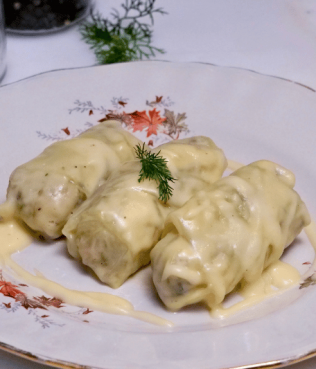
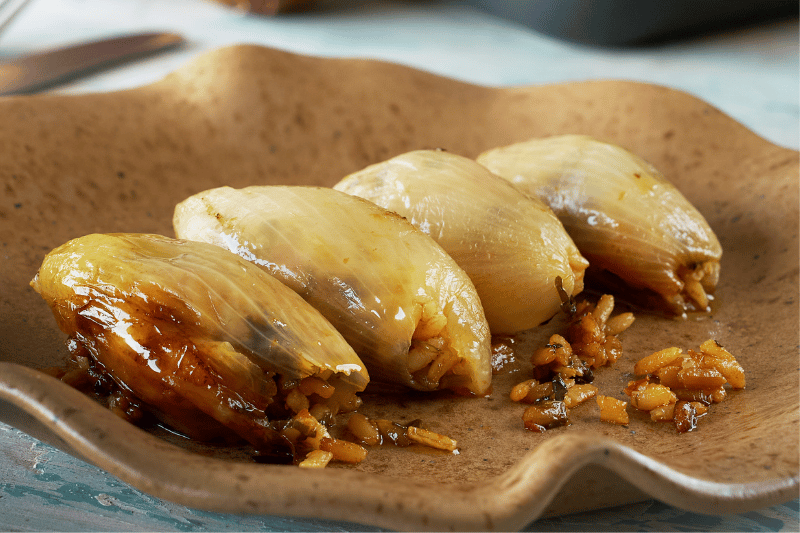
From the island of Kastelorizo comes Salantourmasi, a delicately fragrant stuffed onion dish rooted in tradition and Mediterranean ingenuity. In this My Greek Table Season 5 Flavors of Longevity interpretation, tender layers of onion cradle a filling of parboiled brown rice, herbs, tomatoes, and warm spices—transforming humble ingredients into a beautifully aromatic, plant-forward dish. This modernized version stays true to its heritage while embracing the longevity-boosting benefits of whole-grain rice and fresh herbs.
Ingredients
- 2 lbs 1 kg onions
- 3 tablespoons extra virgin Greek olive oil
- 2 large onions chopped
- 1 ½ cups long-grain parboiled brown rice
- 1 ½ cups grated tomatoes
- 1 cup fresh mint chopped
- ½ cup fresh parsley chopped
- ½ teaspoon cumin powder
- Salt and pepper to taste
Instructions
Preheat Oven:
-
Preheat the oven to 375°F (190°C).
Blanch the Onions:
-
Peel the whole onions. Using a sharp paring knife, score each onion lengthwise.
-
Bring a large pot of water to a boil. Blanch the onions for 2–4 minutes, until softened.
-
Remove with a slotted spoon and cool slightly.
-
When cool enough to handle, peel away the outer layers one by one.
-
Chop the inner cores and set aside for the filling.
Prepare the Filling:
-
Heat 3 tablespoons olive oil in a large, heavy skillet.
-
Sauté the chopped raw onions until softened. Add the blanched chopped cores.
-
Stir in the parboiled brown rice. Add ½ cup water and cook over low heat until absorbed.
-
Add the grated tomatoes and continue cooking until the liquid is absorbed.
-
Remove from heat; stir in the mint, parsley, cumin, salt, and pepper.
Stuff the Onions:
-
Spread a few tablespoons of olive oil on the bottom of a baking dish.
-
Spoon 1 teaspoon of filling into each onion layer, roll lengthwise, and overlap the edges to secure.
-
Continue until all layers and filling are used.
-
Arrange the onions snugly in the baking dish, creating a second layer if necessary.
Bake:
-
Add enough water to the dish to reach halfway up the onions.
-
Place a sheet of parchment paper directly over them, then weigh them down with a plate or two to keep them from opening.
-
Cover and bake until the rice is fully cooked and the onions tender—about 40–50 minutes.
Serve:
-
Remove from the oven, allow to cool slightly, and serve warm or at room temperature.
Notes
Cultural Context & Symbolism
- Salantourmasi is a beloved dish from the remote island of Kastelorizo, where resourcefulness and flavor meet in deeply fragrant vegetable-based dishes.
- Stuffed onions highlight the island’s tradition of transforming simple ingredients—onions, herbs, rice—into meals with depth and comfort.
- This version maintains that tradition while embracing Mediterranean longevity principles, particularly the use of whole grains and generous herbs.
Rice Note: Long-Grain Parboiled Brown Rice vs. Other Rice Types
For this recipe, long-grain parboiled brown rice is key—and here’s why:
- Parboiled brown rice cooks evenly, stays firm inside the onion layers, and resists clumping.
- The parboiling process preserves nutrients, making it richer in minerals and B vitamins than standard white rice.
- Long-grain varieties create a light, fluffy interior while still absorbing the onion, tomato, and herb flavors.
- Can you substitute?
- Medium-grain brown rice: Works but yields a softer, denser stuffing.
- White long-grain rice: Will cook faster but lacks the nutty flavor and longevity benefits of whole grains.
- Short-grain rice: Not recommended—it becomes too soft for layered stuffing.
- Parboiled brown rice also holds structure during long oven cooking, ideal for dishes like stuffed onions where the filling must stay intact.
Nutrition Highlights (SEO-Friendly)
- Whole-grain rice: Rich in fiber, minerals (manganese, selenium), and slow-burning carbohydrates.
- Onions: High in antioxidants, prebiotic fiber, and quercetin—supportive of gut and immune health.
- Herbs: Mint and parsley contribute anti-inflammatory properties and fresh Mediterranean flavor.
Olive oil: Provides heart-healthy monounsaturated fats central to the Mediterranean diet.